| Quick facts | Answer |
|---|---|
| Cost range | $250-$750 typical; $600-$800 for a single-family home |
| Time | Built in during construction; no separate timeline given |
| Who's qualified | Kentucky requires radon contractors to be state licensed; verify at radon.ky.gov |
Winchester, KY: what's different here
Winchester sits in Clark County, Kentucky, about 19 miles and roughly 30 minutes from Lexington by main highway. Kentucky's radon potential maps cover all 120 counties, including Clark, and are based on bedrock type rather than measurements inside individual homes. Uranium-bearing rocks such as black shale and phosphatic limestones are common in Kentucky, which is why builders here often plan for radon during new construction.
What does radon resistant new construction include?
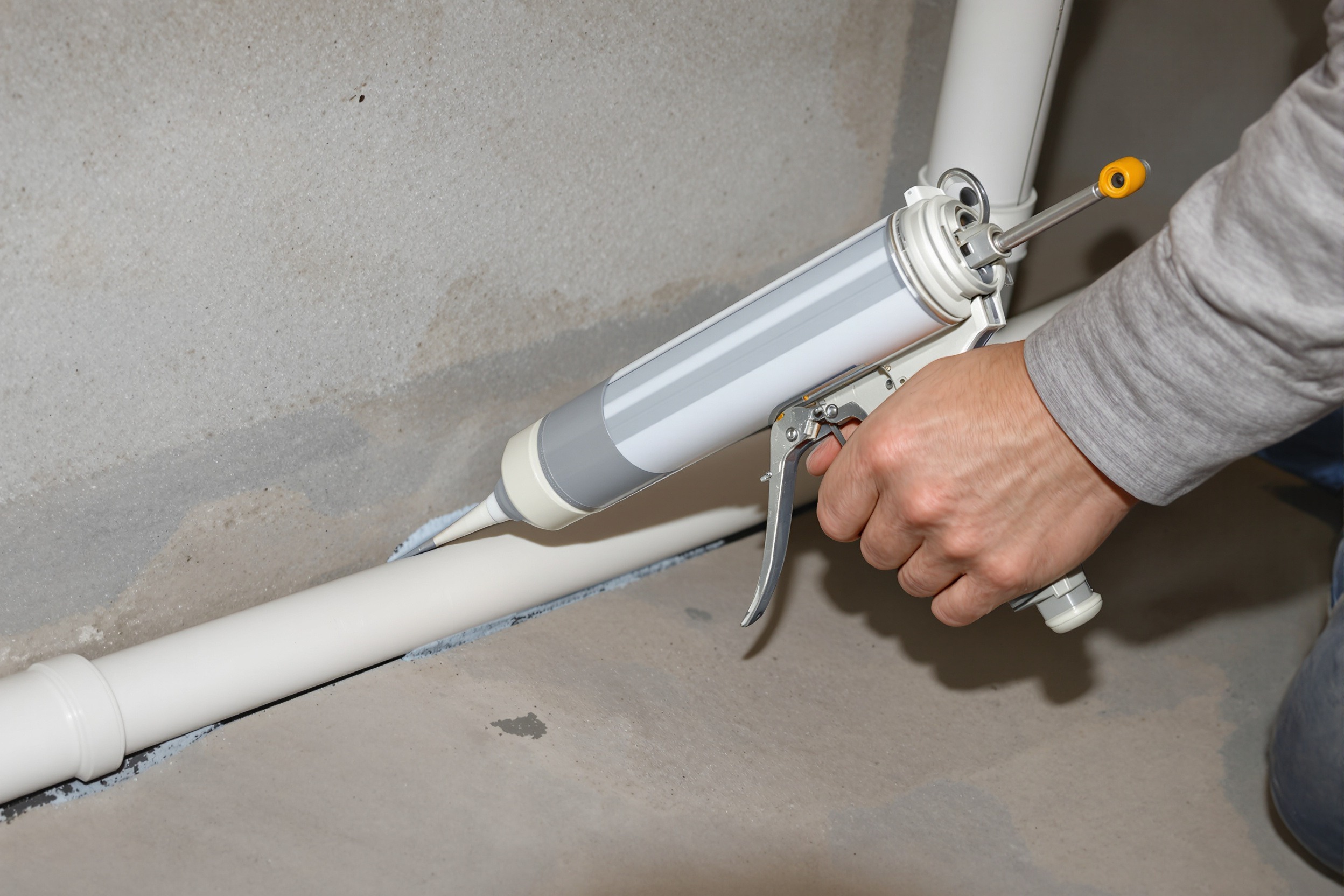
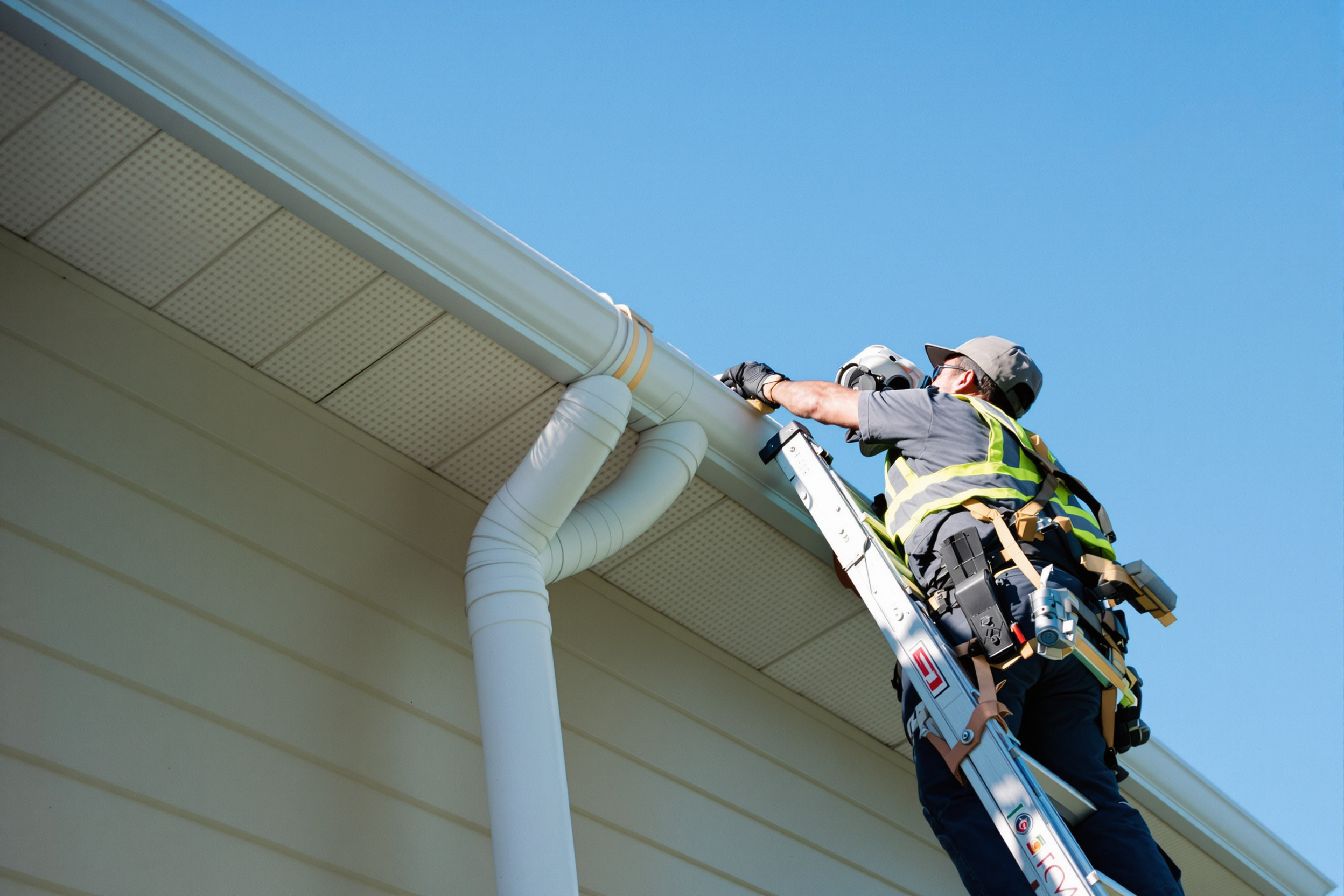
The EPA describes four basic steps: gravel or aggregate under the slab, polyethylene sheeting, a vent pipe running to the roof, and sealing and caulking the foundation. Together these create a passive system that blocks radon entry. If testing later shows elevated radon, a certified mitigator can activate the system with a fan.
Why build radon resistance into a Winchester home instead of retrofitting?
A Kentucky university source puts RRNC at roughly $600-$800 for a single-family home, compared with $1,200-$2,500 to mitigate an existing home. The EPA calls radon control during construction a small-fee item and says retrofits are usually much more expensive. Retrofit systems in the Lexington area average $1,200-$3,000.
Is Winchester, KY in a high radon zone?
Kentucky is classified as EPA Radon Zone 2, with a predicted average indoor screening level between 2 and 4 pCi/L. Kentucky Geological Survey maps show Mississippian and Ordovician limestones and Devonian black shales have the highest radon potential in the state. Maps are based on bedrock type, so actual in-home levels vary.
Does Kentucky require radon testing in new homes?
The EPA says new homes are not required to meet a specified radon level, and homeowners are not required to test or guarantee a level. Even so, testing after move-in is the only way to know your actual level. An installed passive system makes any needed upgrade simple.
What to do next
- Ask your builder to include the four EPA elements: gravel under the slab, polyethylene sheeting, a vent pipe to the roof, and sealed foundations.
- Request an itemized quote showing whether moisture-control work already planned lowers the RRNC cost below $250.
- Verify the mitigator's Kentucky license and NRPP certification through the state radon office at radon.ky.gov or 502-782-2782.
- Test the finished home after move-in so a certified pro can activate the passive system if levels are elevated.
- Call (859) 249-8571 or email [email protected] for a free quote from a Kentucky-certified (NRPP/NRSB) radon mitigation contractor.
Lexington Radon Pros is a free referral service: an independent contractor does the work and may pay us a referral fee. You never pay us anything.