| Quick facts | Answer |
|---|---|
| Cost range | $250-$750 (EPA); about $600-$800 per University of Kentucky |
| Time | Added during construction; retrofitting later costs more |
| Who's qualified | Kentucky-certified (NRPP/NRSB) radon mitigation contractor; verify at radon.ky.gov |
Richmond, KY: what's different here
Richmond is in Madison County, Kentucky, where homes can face elevated radon exposure risk. The area commonly includes older housing stock, which is one reason the University of Kentucky booklet stresses building radon-resistant features in during construction rather than fixing a home afterward. Richmond sits about 23 miles from Lexington, roughly a 27-minute drive north on I-75.
Why add radon resistant new construction during the build?
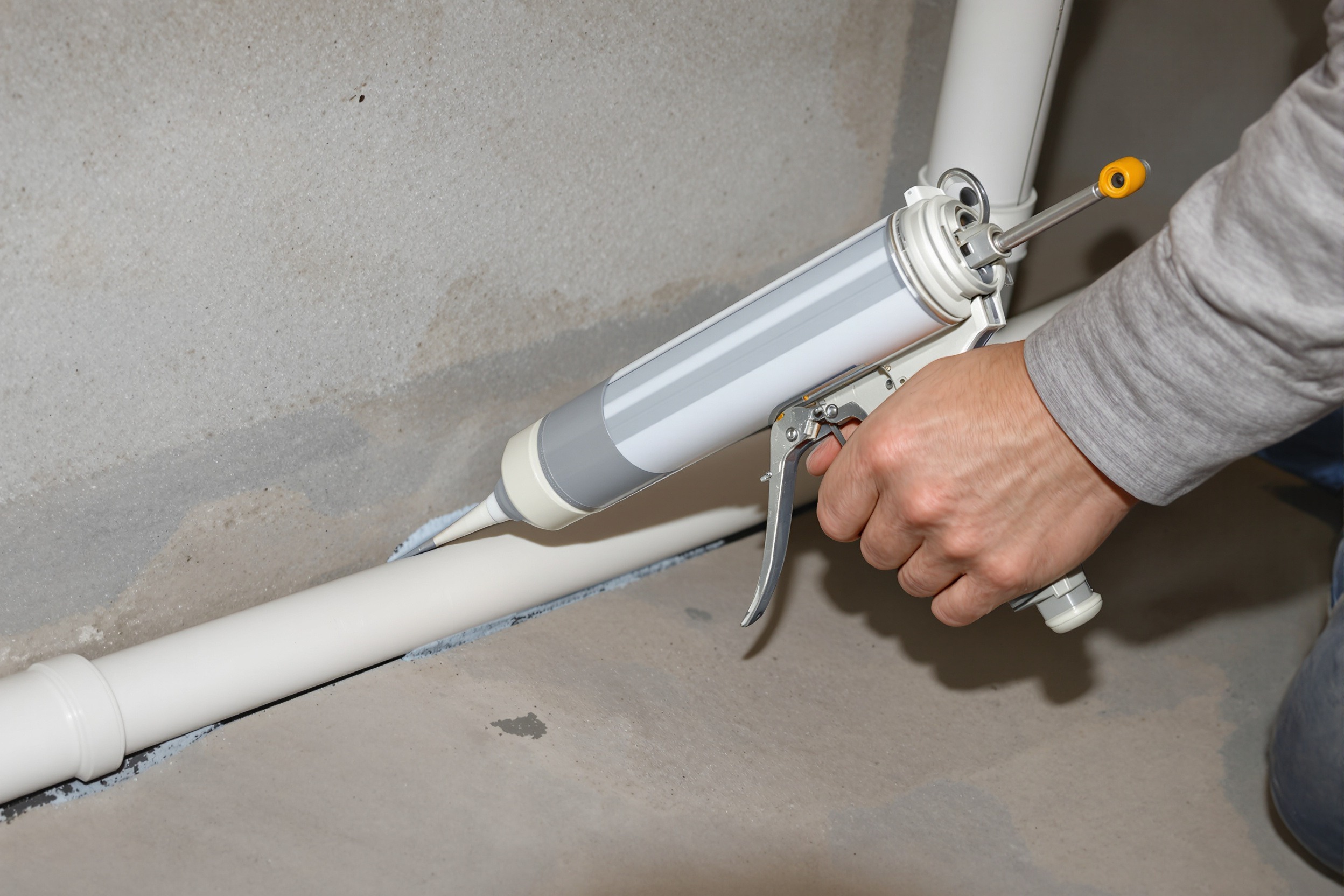
RRNC is a passive system installed while the home is being built, and a certified mitigator can activate it later if elevated radon is found. The University of Kentucky notes it is easier to add during construction than to retrofit afterward. Kentucky homes can have elevated radon exposure risk, which makes the feature especially useful.
What does Kentucky require for new homes in Richmond?
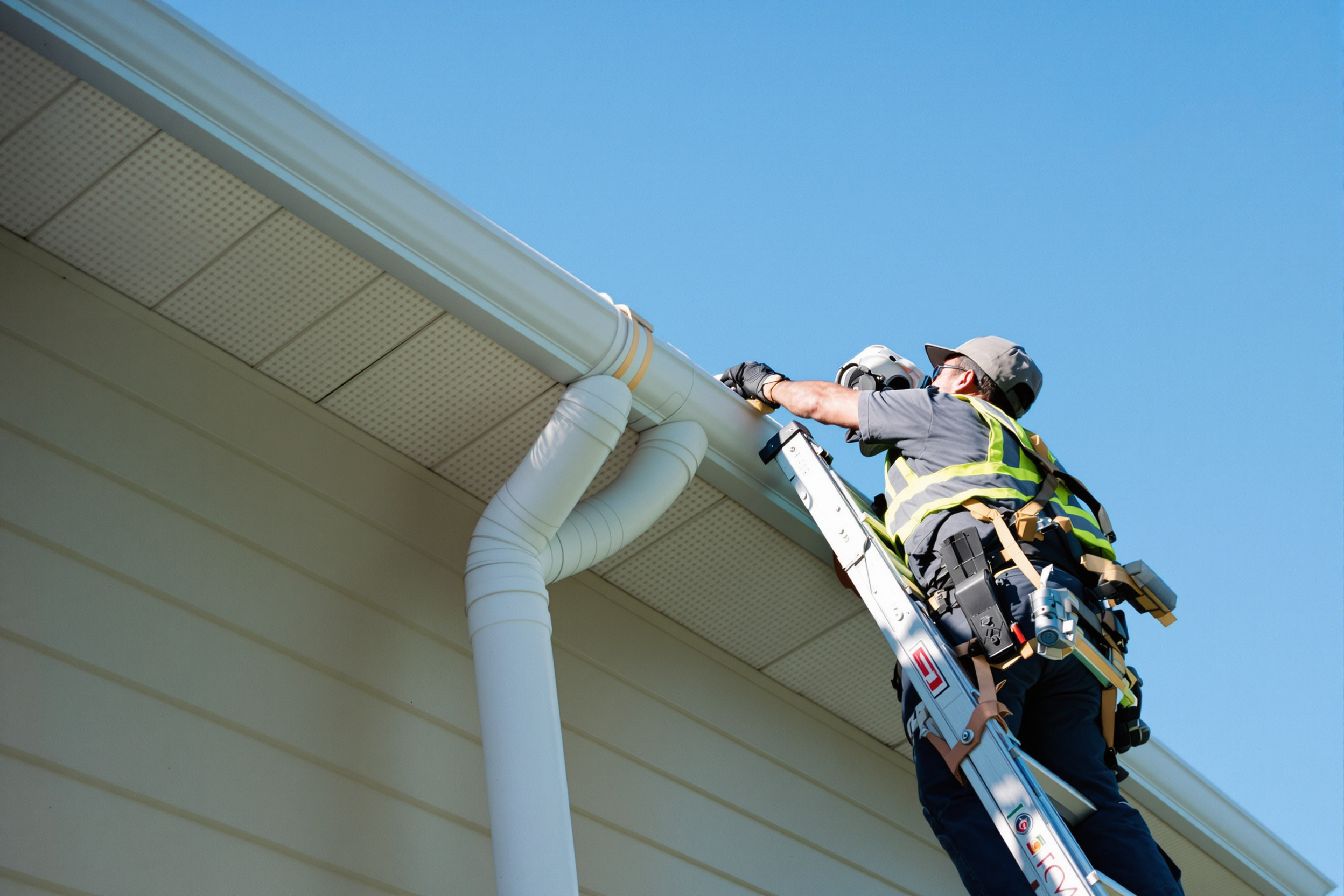
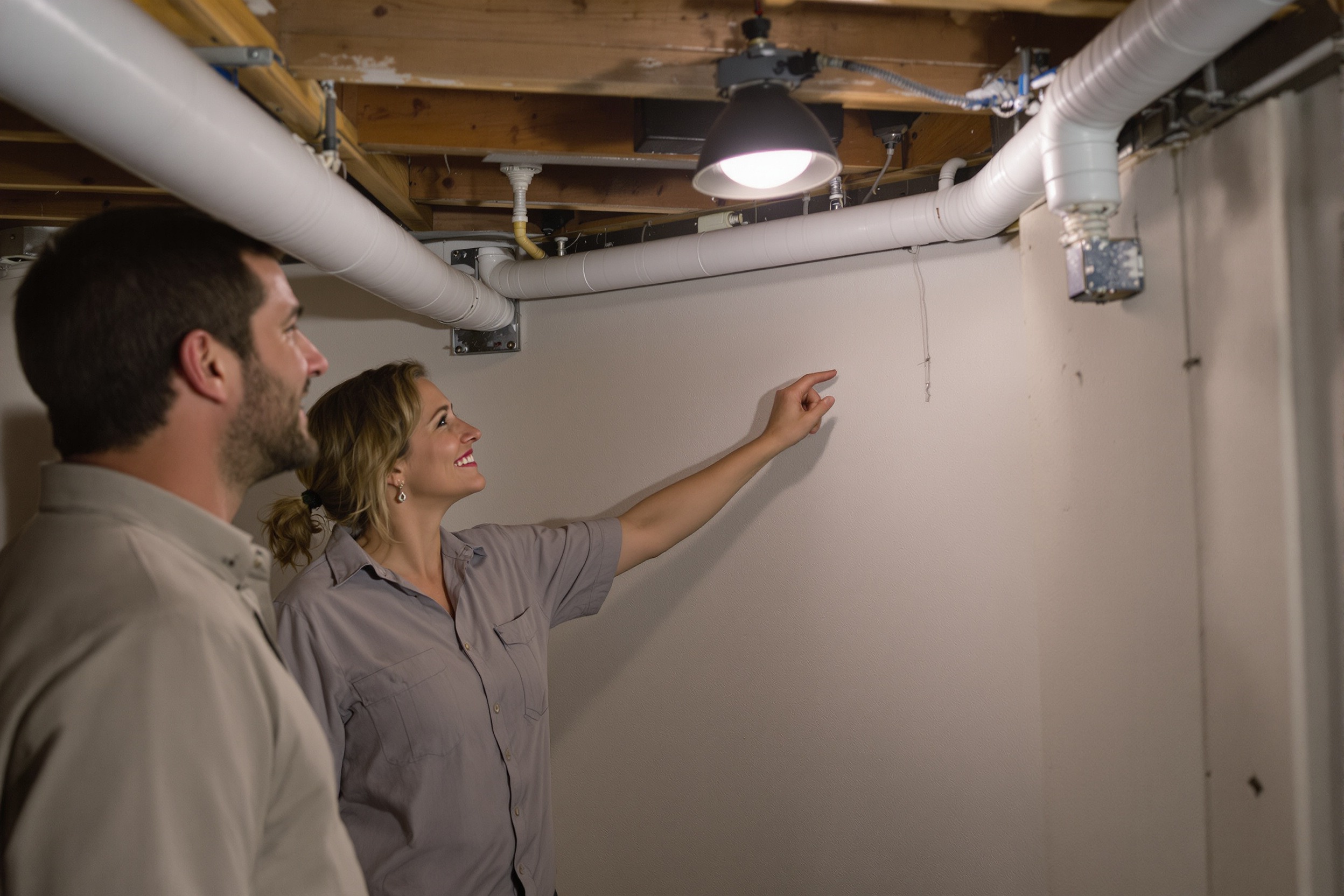
A Kentucky Housing Corporation policy requires a passive radon reduction venting system for all newly constructed single-family units. The vent pipe must pass through a heated portion of the structure and an accessible attic space and chase so an inline fan can be installed later. Post-construction radon testing must occur after construction but before occupancy.
Which standard should Richmond builders follow?
The EPA recommends ASTM E1465-08 as the standard for radon-reducing features in new homes. RRNC is a voluntary approach that builders and building code authorities can adopt. Ask your builder whether the plans follow this standard.
What does an active radon fan cost to run?
If the passive system is later activated with a fan, operation can add about $30 to $300 per year to the energy bill. That is because an active fan draws 100 to 300 watts continuously. Ask the pro for an estimate before activating the system.
What to do next
- Ask your builder to follow ASTM E1465-08 for radon-reducing features in the new home.
- Confirm the vent pipe runs through a heated portion of the structure and an accessible attic space and chase.
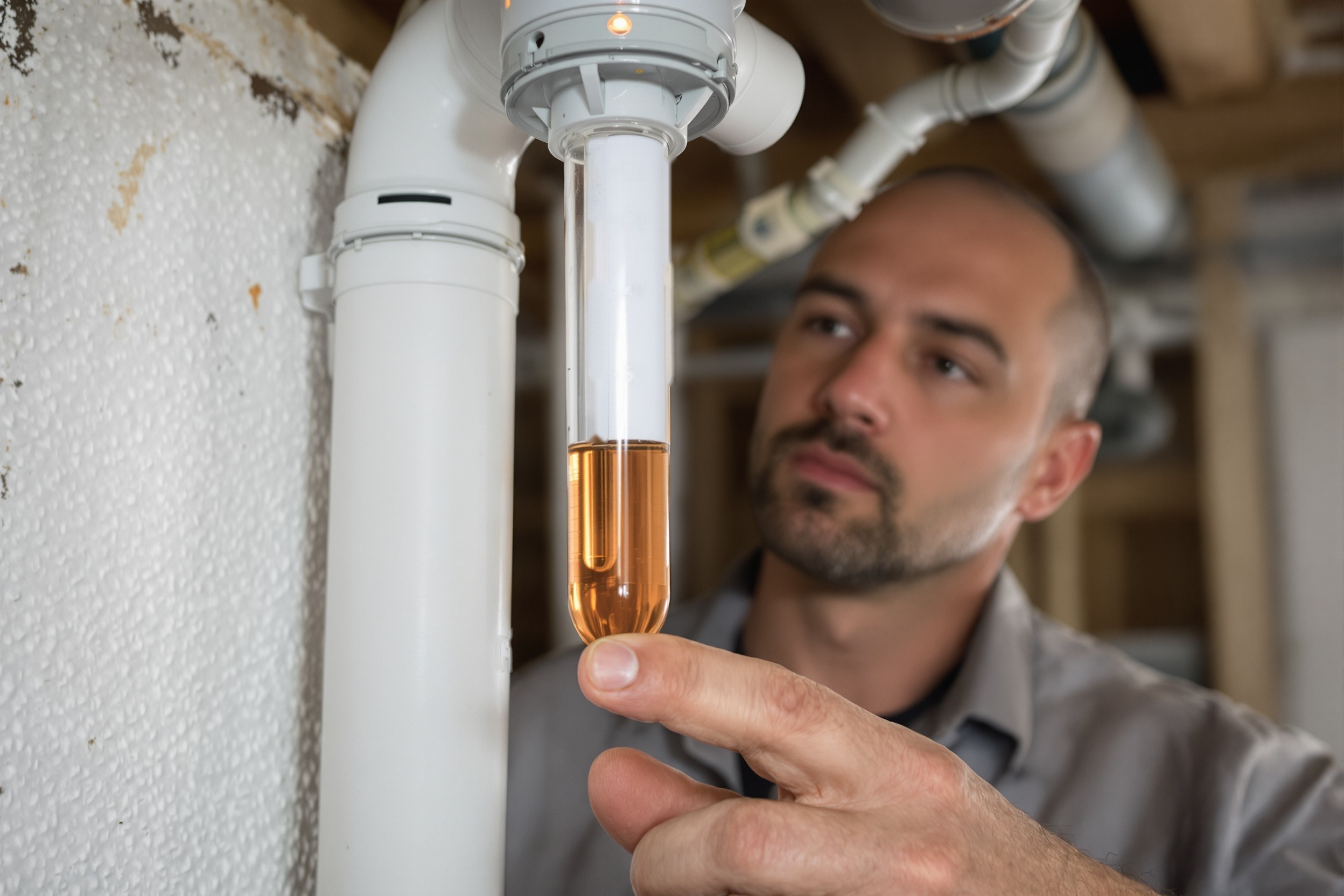
- Schedule post-construction radon testing after the build but before occupancy.
- Verify the contractor's certification through the Kentucky radon office at radon.ky.gov or 502-782-2782.
- Call (859) 249-8571 or email [email protected] for a free quote from a Kentucky-certified (NRPP/NRSB) radon mitigation contractor.
Lexington Radon Pros is a free referral service: an independent contractor does the work and may pay us a referral fee. You never pay us anything.