| Quick facts | Answer |
|---|---|
| Cost range | $800 to $2,500, averaging about $1,200 (EPA) |
| Time | Varies by home - confirm in your quote |
| Who's qualified | Kentucky requires radon contractors to be licensed by the state; look for NRPP certification |
Nicholasville, KY: what's different here
Nicholasville sits about 11 miles from Lexington, roughly a 17-minute drive by main highway. Kentucky is EPA Radon Zone 2, with a predicted average indoor screening level between 2 and 4 pCi/L. Central Kentucky's carbonate bedrock, including limestone, generally carries higher indoor-radon potential. Because in-home levels can be higher or lower than the bedrock map and shift by season, testing is the only way to know your number.
Why inspect a radon mitigation system in Nicholasville?
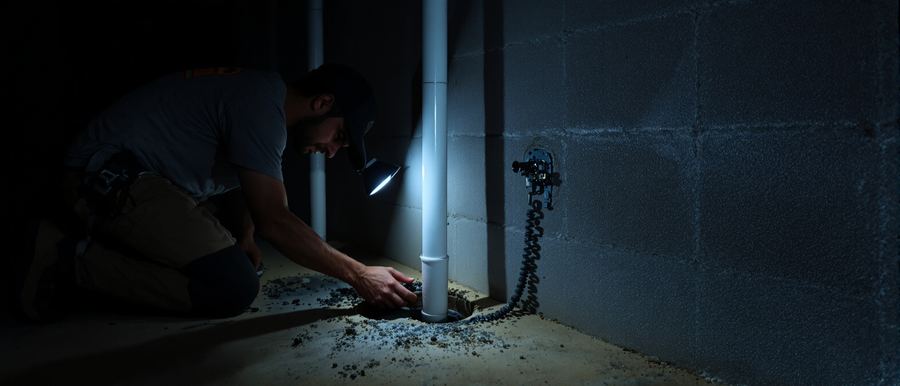
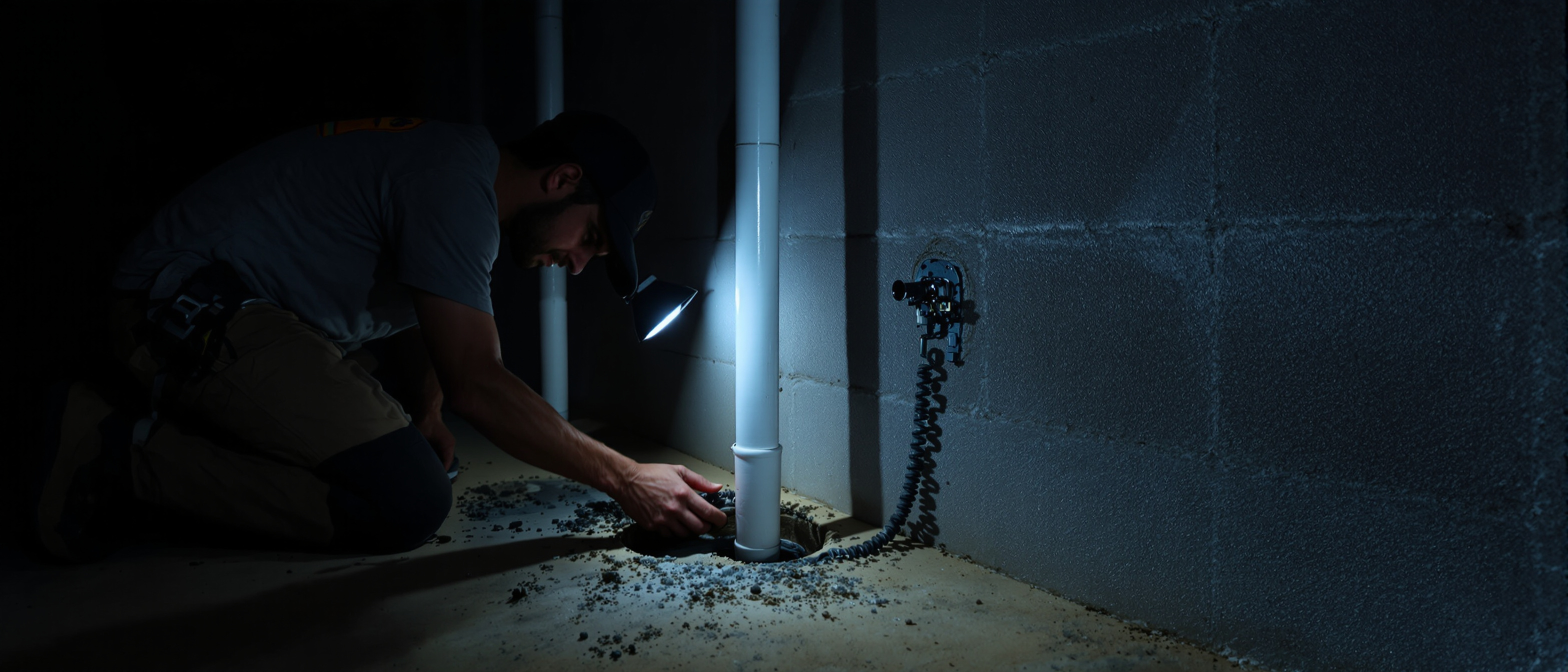
The EPA says to make sure your radon reduction system works well after installation, which means checking it post-installation. Radon levels can also vary by season, so a system that worked last year may need verification now. An inspection confirms the fan and piping are still pulling radon from beneath the home.
What does radon mitigation cost in Nicholasville?
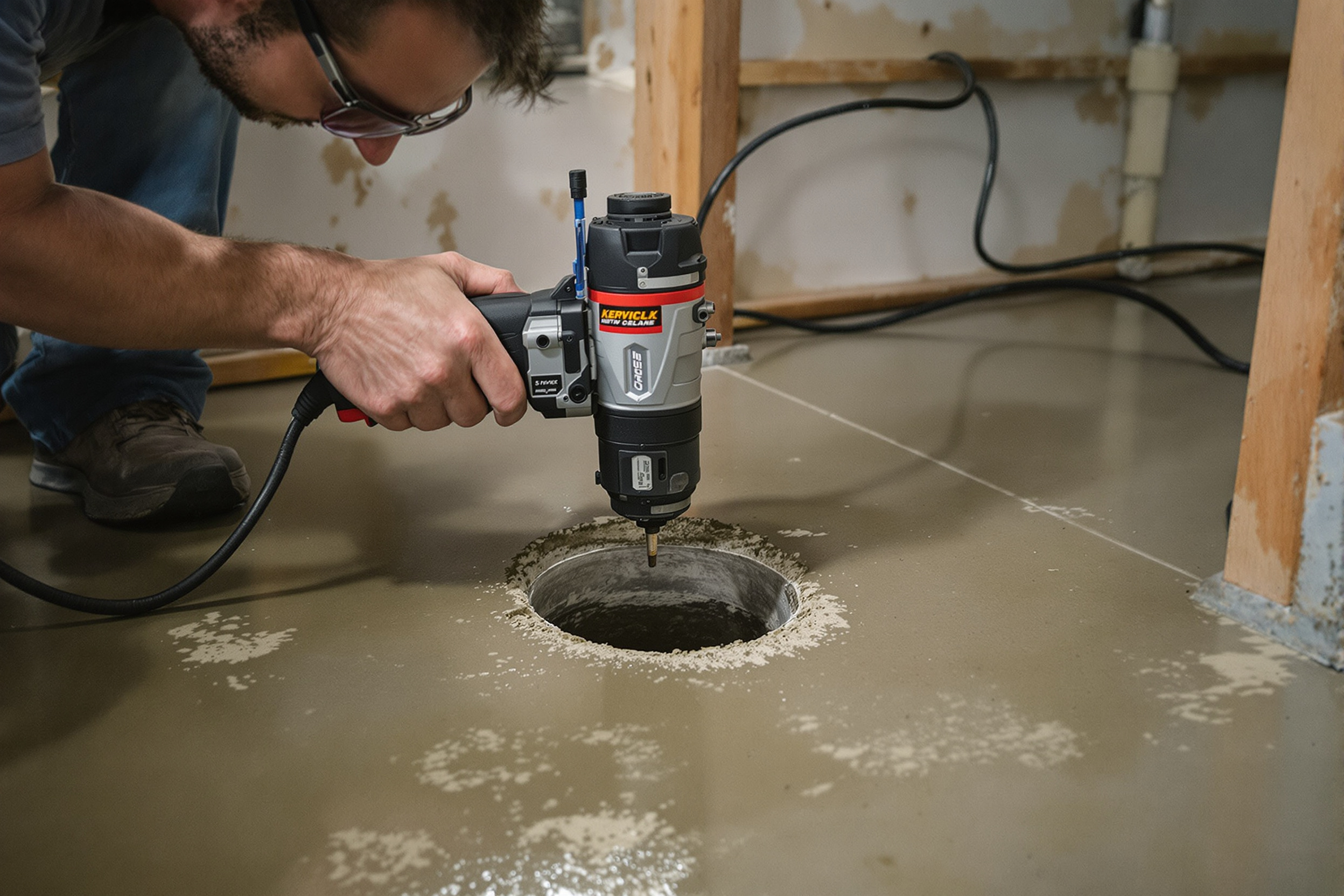
The EPA puts the cost of fixing a home at $800 to $2,500, with an average near $1,200. A Lexington-area cost guide lists average system costs between $1,200 and $3,000. A professional installation can reduce radon by up to 99%.
What does a radon mitigation system cost to run each year?
An active radon fan runs continuously at 100 to 300 watts, which can add about $30 to $300 per year to your energy bill. The EPA radon reduction standards call for an estimate of both installation cost and annual operating costs. Ask for both numbers in any quote.
Who can do radon work in Kentucky?
The state of Kentucky requires contractors performing radon-related services to be licensed by the state. Many states require radon professionals to be licensed, certified, or registered. Ask the pro for proof of license and certification before work begins.
Why is radon common around Nicholasville?
Kentucky geology includes limestone, shale, sandstone, siltstone, dolostone, and coal, and carbonate rocks generally have higher indoor-radon potential. Ordovician and Mississippian limestones and Devonian black shales have the highest radon potential in the state. The Kentucky Geological Survey recommends testing homes in higher-risk areas because actual levels vary by season.
What to do next
- Test your home to get a current radon level in pCi/L before scheduling the inspection.
- Verify the contractor's Kentucky license through the state radon office at radon.ky.gov or 502-782-2782.
- Ask for an itemized quote covering installation cost and annual operating costs, per EPA radon reduction standards.
- After any repair, request post-installation verification that the system is reducing radon as the EPA recommends.
- Call (859) 249-8571 or email [email protected] for a free quote from a Kentucky-certified (NRPP/NRSB) radon mitigation contractor.
Lexington Radon Pros is a free referral service: an independent contractor does the work and may pay us a referral fee. You never pay us anything.