| Quick facts | Answer |
|---|---|
| Cost range | DIY from $15; professional $100-$250 |
| Time | DIY under a week; pro test in 48 hours |
| Who's qualified | Kentucky requires radon contractors to be state-licensed; NRPP-certified pros verify |
Georgetown, KY: what's different here
Georgetown sits in Scott County, Kentucky, where local planning materials note that radon can be a problem and areas with higher concentrations should be tested. Central Kentucky's karst geology, shaped by limestone dissolution into sinkholes and caverns, creates routes for radon to move upward. Black shale and phosphatic limestones are common uranium-bearing rock types in the state. That geology is why testing every two years is a sensible habit for Georgetown homeowners.
When a DIY radon test kit makes sense
DIY kits are best for routine checks between professional tests. Kentucky CHFS calls testing simple and inexpensive, and free kits are available through the Kentucky Radon Program, some local health departments, and the Radon on the RADAR program at participating county libraries. UK guidance says test every two years.
When to hire a professional radon tester in Georgetown
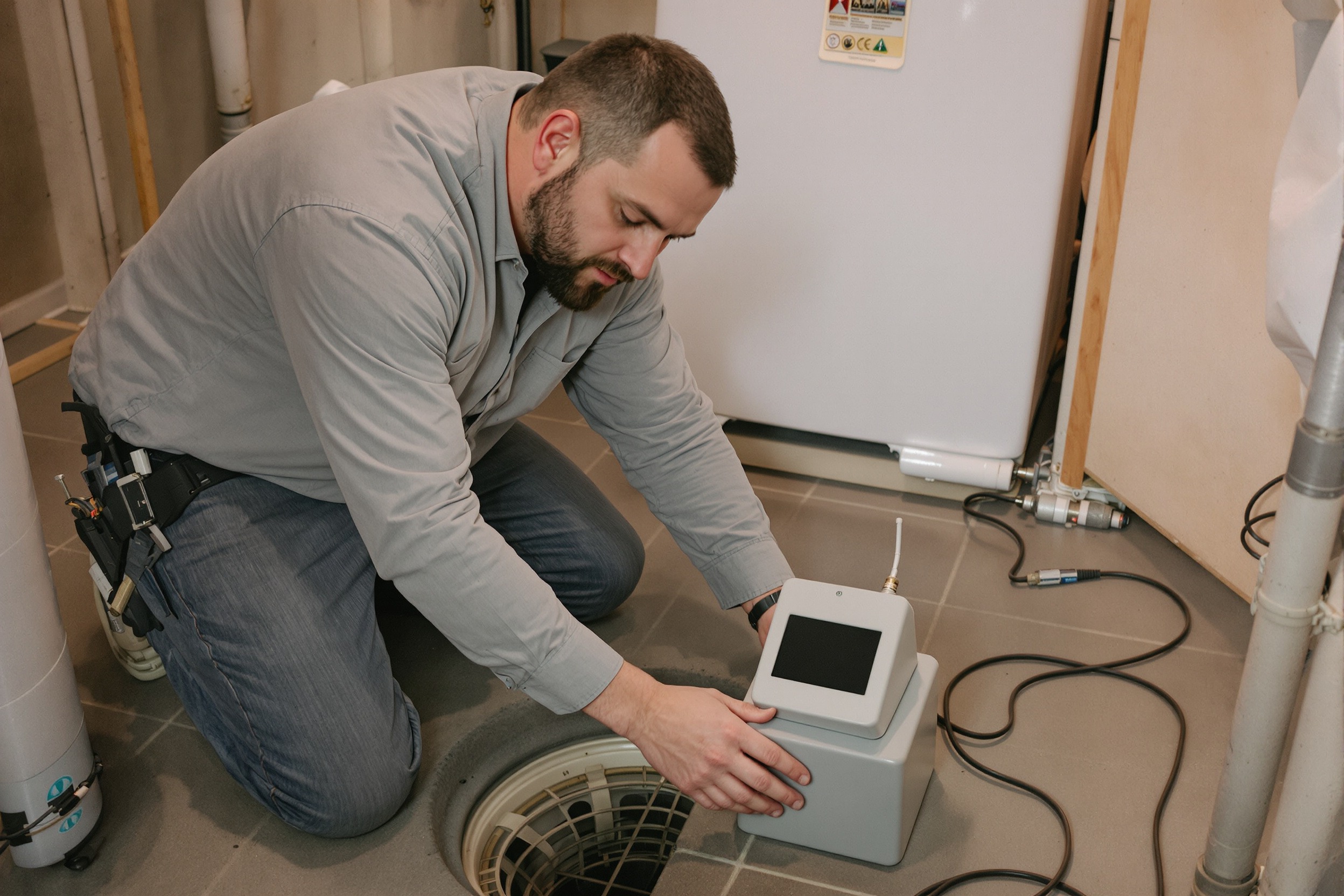
The American Lung Association says radon testing for real estate transactions should be conducted by professionals and can be part of a regular home inspection. A professional short-term test can be completed in as little as 48 hours, usually for about $100 to $250. That speed and documentation matter when buying or selling.
What your radon test result means and when to call for radon mitigation
The EPA action level is 4 picocuries per liter, and Kentucky materials use the same 4.0 pCi/L threshold. University of Kentucky guidance says call a certified radon professional if a test kit reads at or above 4.0 pCi/L. Mitigation systems in the Lexington area average between $1,200 and $3,000.
Why Georgetown, KY homes can have radon risk
Kentucky's karst topography contributes to high radon emissions because limestone dissolution creates sinkholes and cavernous underground formations that give uranium routes to escape. Black shale and phosphatic limestones are common high-radon-potential rock types in Kentucky. Scott County planning materials say radon can be a local problem, so areas with higher concentrations should be tested.
What to do next
- Pick up a free test kit through the Kentucky Radon Program, a local health department, or the Radon on the RADAR program at participating county libraries.
- Run the kit and compare your result to the EPA action level of 4.0 pCi/L.
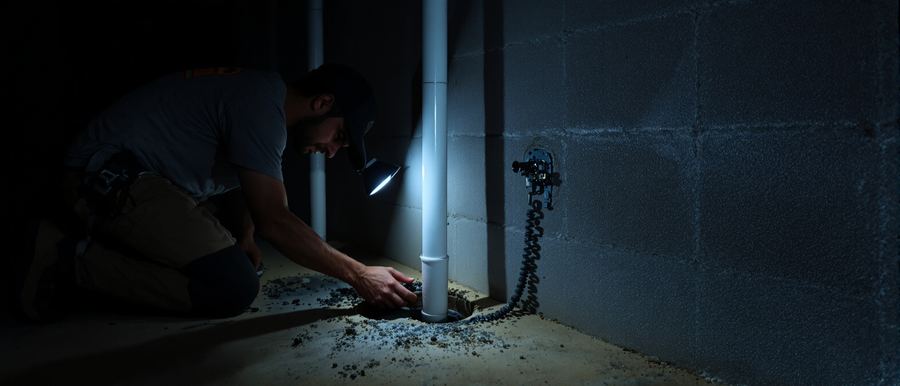
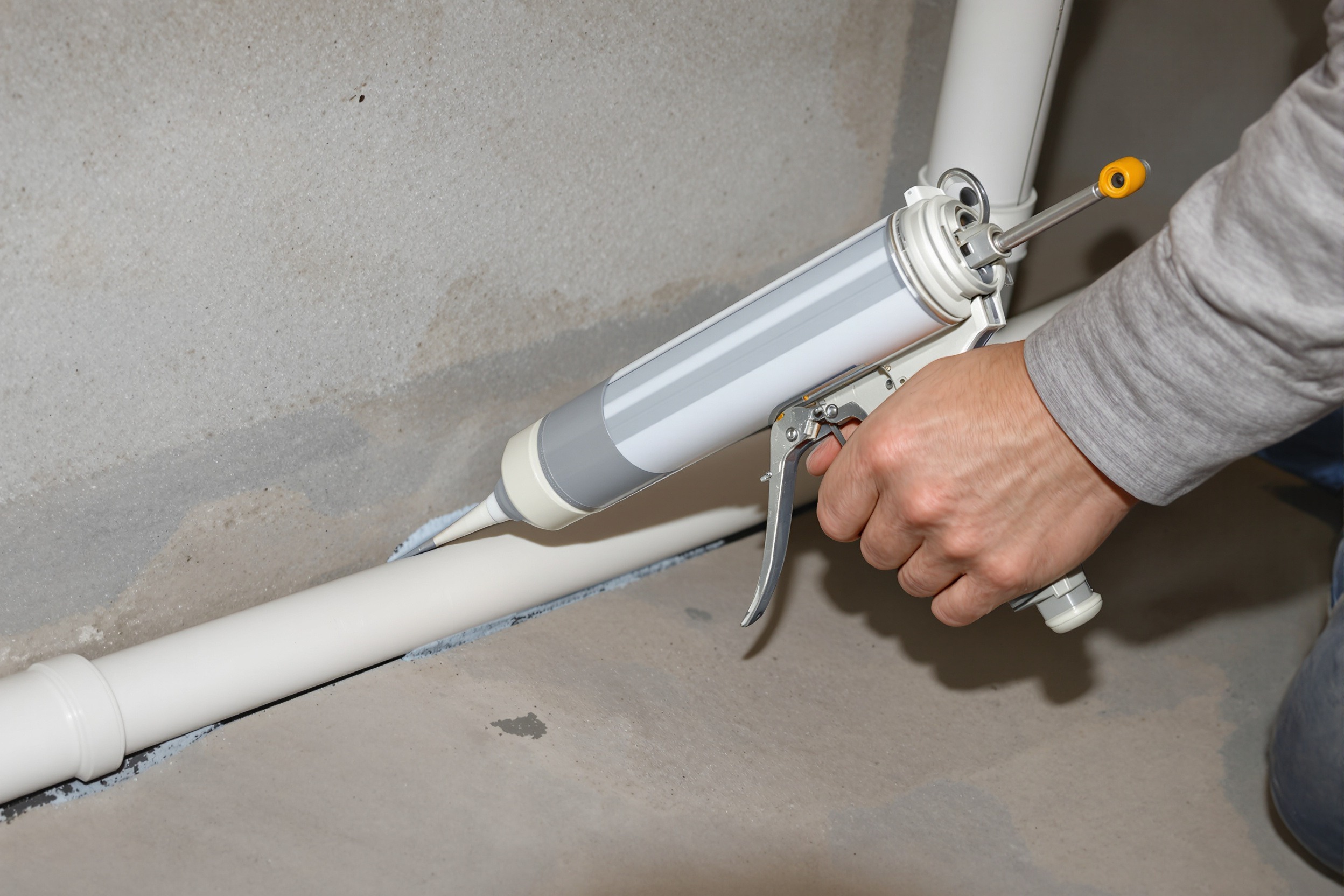
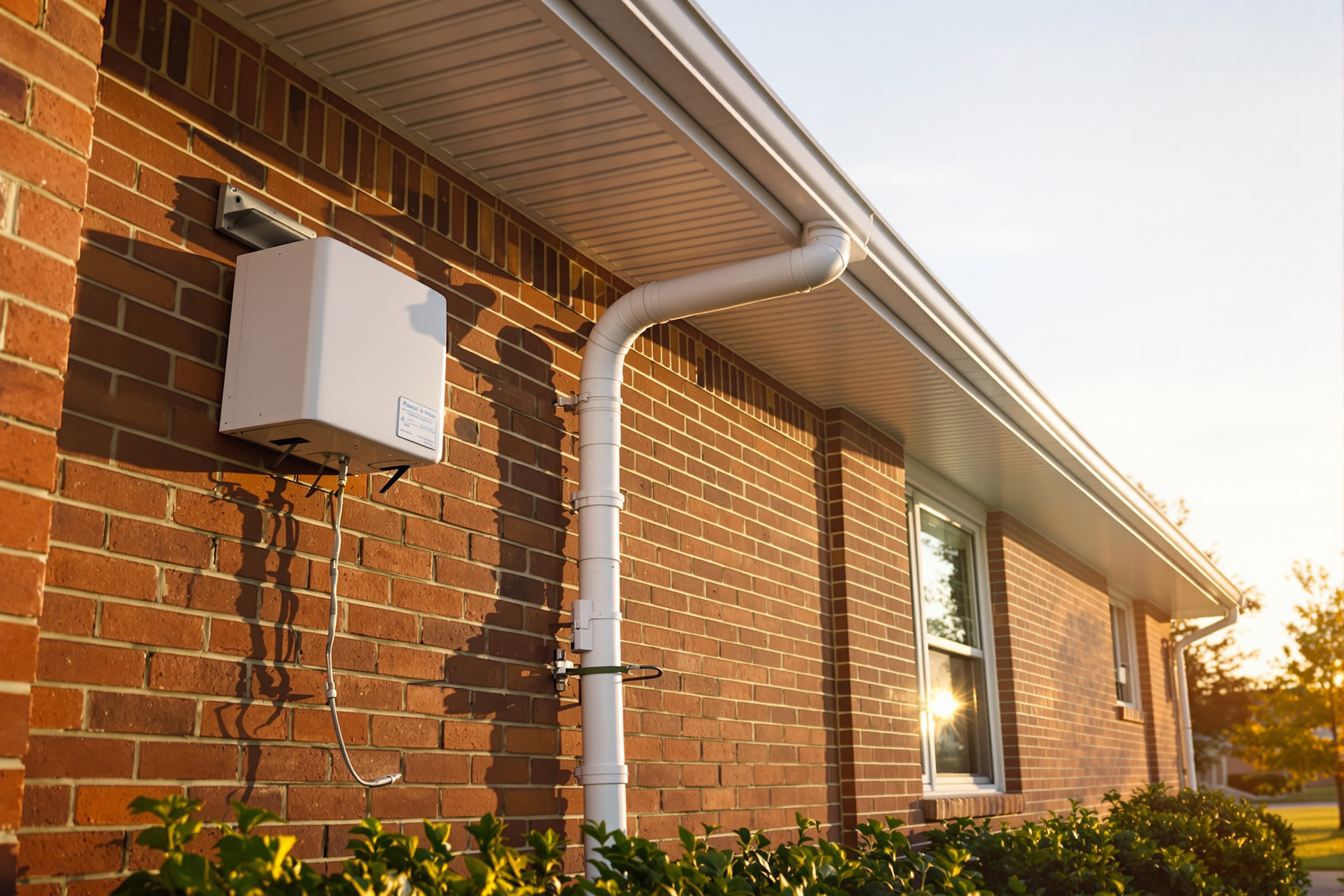
- If the reading is at or above 4.0 pCi/L, get a Kentucky-certified (NRPP/NRSB) radon mitigation contractor - Lexington Radon Pros refers for free.
- Verify any contractor's certification at radon.ky.gov or by calling the state radon office at 502-782-2782, and get the mitigation quote in writing.
- Call (859) 249-8571 or email [email protected] for a free quote from a Kentucky-certified (NRPP/NRSB) radon mitigation contractor.
Lexington Radon Pros is a free referral service: an independent contractor does the work and may pay us a referral fee. You never pay us anything.