| Quick facts | Answer |
|---|---|
| Cost range | $800 to $2,500 typical; crawl-space homes may cost more |
| Time | Varies by home - confirm in your quote |
| Who's qualified | Ask for proof of insurance, relevant certifications (e.g., ASE for auto repair), and any license your state or city requires. |
Richmond, KY: what's different here
Richmond sits about 23 miles from Lexington, roughly a 27-minute drive up I-75 North, so a local pro can reach your home quickly. The EPA counts crawl space construction as a nonbasement foundation type, and crawl spaces can still let radon enter from the soil under the home. Kentucky Geological Survey county radon maps cover the Richmond area and base radon potential on local bedrock type. Because radon levels can vary by season, a test of your own crawl-space home is the only way to know your actual number.
How does crawl space radon mitigation work?
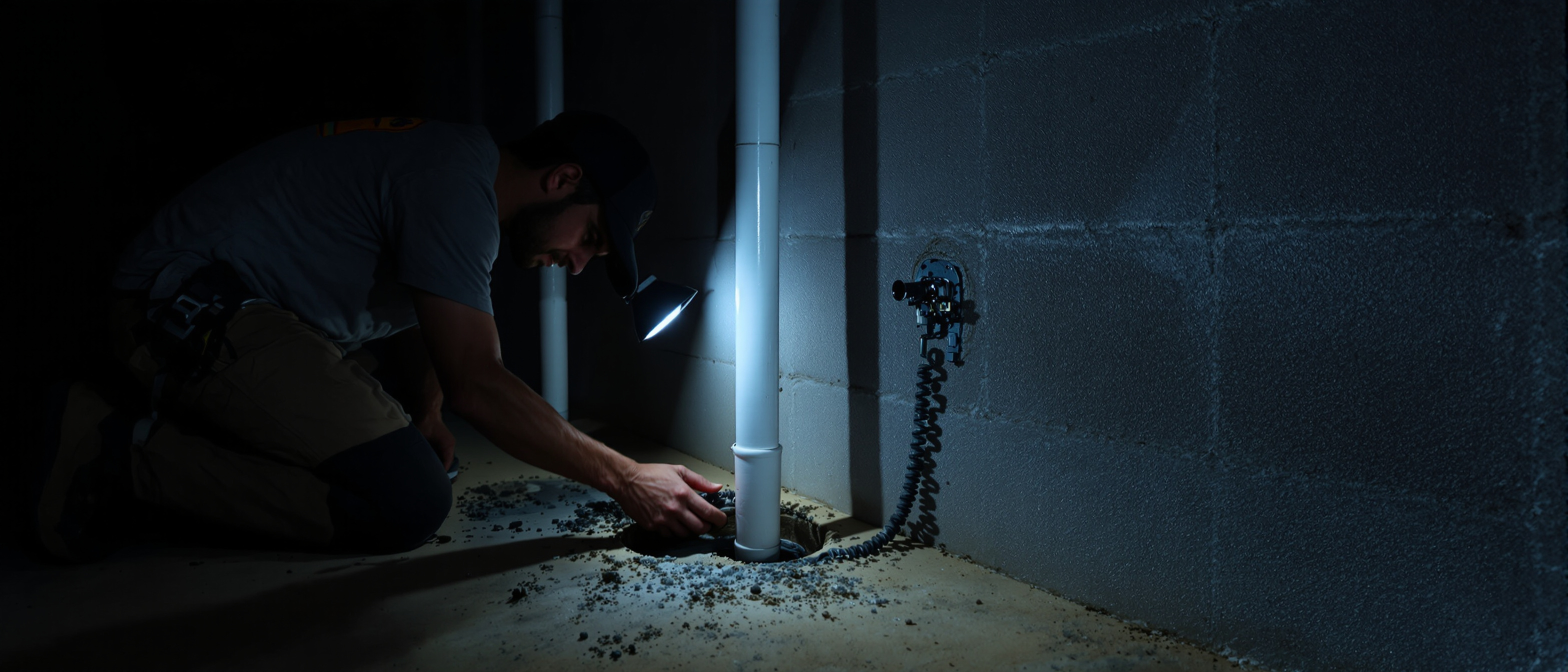
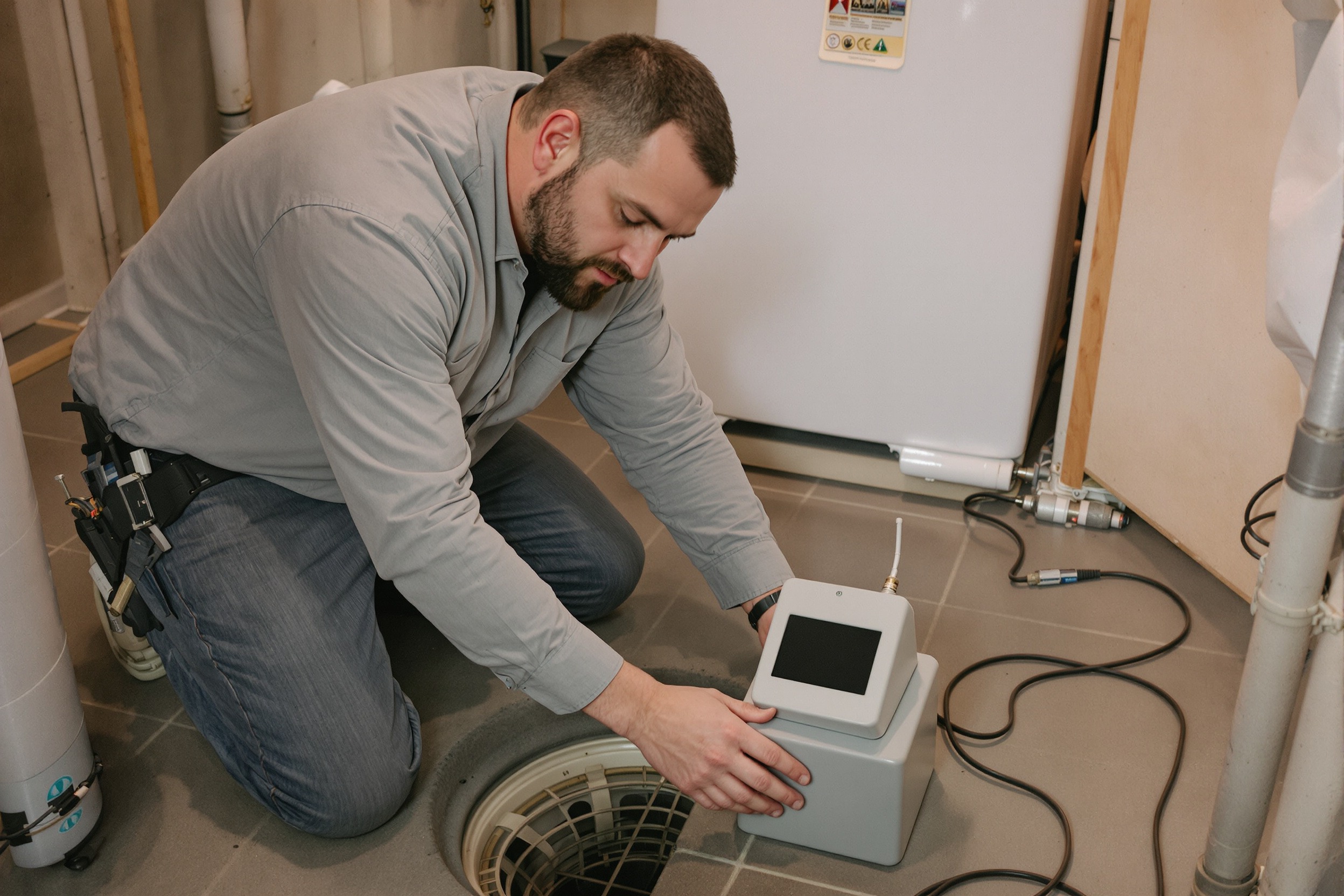
For crawl spaces, the recommended approach is to cover the earth floor with a high-density plastic sheet. A vent pipe and fan then move radon from under the home to the outdoors. This keeps soil gas from collecting beneath your living space.
Why do crawl space homes in Richmond cost more to mitigate?
Richmond-area housing guidance notes that crawl-space homes may cost more to mitigate. They often need vapor barrier installation before depressurization can start. That extra step adds material and labor to the standard $800 to $2,500 range.
Does Richmond geology affect radon risk?
The Kentucky Geological Survey says different rock units contain different amounts of uranium, which decays and produces radon. Its county radon maps show radon potential based on bedrock type, not actual in-home measurements. Actual levels in a Richmond home can also vary by season, so testing your own house matters.
What does a radon mitigation fan cost to run?
An active radon fan draws 100 to 300 watts continuously. That can add about 30 to 300 dollars per year to your home's energy bill. Ask the pro to estimate the fan's operating cost for your system.
Are new Kentucky homes built radon-ready?
Kentucky Housing Corporation policy requires a passive radon reduction venting system in all newly constructed single-family units. The vent pipe can be installed under the poly sub-slab or in the crawl space and extended through the roof. Older Richmond homes with crawl spaces usually need an active system added instead.
What to do next
- Test your Richmond home for radon first, since KGS county maps show potential from bedrock type, not actual in-home measurements.
- Verify the contractor's Kentucky license and NRPP certification through the state radon office at radon.ky.gov or 502-782-2782.
- Ask for a written quote that itemizes the high-density plastic vapor barrier, vent pipe and fan for your crawl space.
- Ask the pro to estimate yearly fan energy cost, since an active fan draws 100 to 300 watts continuously.
- Call (859) 249-8571 or email [email protected] for a free quote from a Kentucky-certified (NRPP/NRSB) radon mitigation contractor.
Lexington Radon Pros is a free referral service: an independent contractor does the work and may pay us a referral fee. You never pay us anything.